
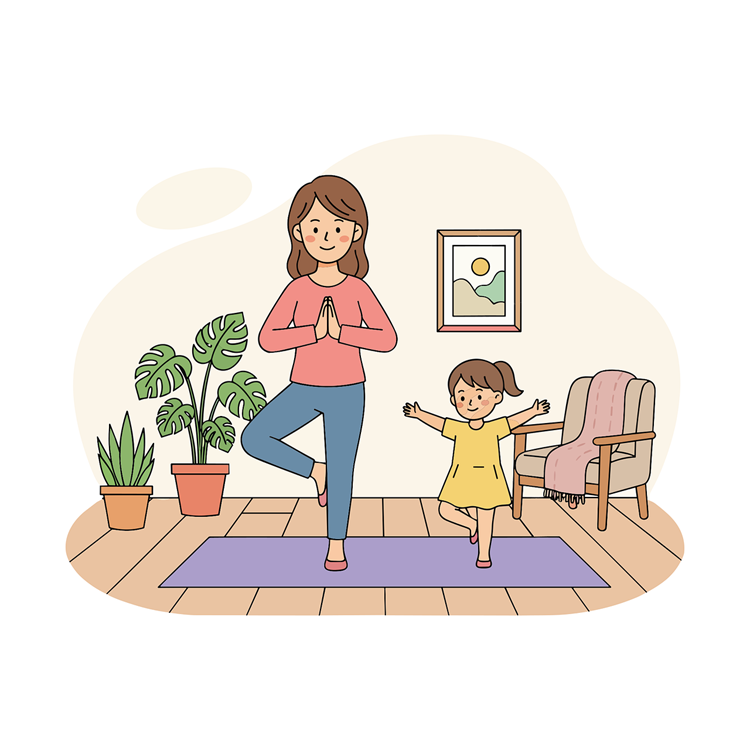
In a rapidly changing world, the pursuit of health and well-being is more critical than ever. Families serve as the foundational units of society, shaping habits, values, and long-term outcomes for individuals. A healthy family environment lays the groundwork for physical vitality, emotional resilience, intellectual growth, and social stability. This guide explores the key components of family wellness and provides practical strategies to foster healthier lifestyles today and secure brighter futures for generations to come.
Defining Family Wellness
Family wellness extends beyond the absence of disease. It is a holistic state encompassing:
-
Physical Health – Nutrition, activity, sleep, preventive care
-
Emotional Health – Stress management, communication, emotional intelligence
-
Mental and Intellectual Health – Lifelong learning, cognitive stimulation, creativity
-
Social and Relational Health – Supportive relationships, community engagement
-
Environmental Health – Safe, organized, and nurturing surroundings
-
Financial Health – Stability, responsible planning, stress-reducing practices
A comprehensive approach recognizes that these domains are interconnected. Improvements in one area often support progress in another.
Physical Health: The Foundation of Wellness
Nutrition for the Whole Family
Balanced nutrition fuels development and protects against chronic disease. Key principles include:
-
Whole foods first: Prioritize vegetables, fruits, whole grains, lean proteins, legumes, and healthy fats.
-
Family meals: Encourage shared meals whenever possible; they improve nutrition and strengthen bonds.
-
Hydration: Model water consumption and limit sugar-sweetened beverages.
-
Limit processed foods: Reduce high-sodium, high-sugar, and ultra-processed items.
Engage children in meal planning and preparation—this enhances their understanding of nutrition and fosters lifelong healthy habits.
Regular Physical Activity
Active families tend to be healthier families. Physical activity helps maintain weight, supports cardiovascular health, enhances mood, and increases energy levels.
-
Children: At least 60 minutes of moderate to vigorous activity daily.
-
Adults: A minimum of 150 minutes of moderate aerobic activity weekly, plus strength-building exercises.
-
Family activities: Hiking, biking, dancing, recreational sports, and active games.
Limit sedentary screen time and replace pockets of inactivity with movement.
Sleep as a Priority
Quality sleep is essential for immunity, mood regulation, cognitive performance, and metabolic health.
-
Sleep guidelines:
-
Toddlers: 11–14 hours per day
-
School-age children: 9–11 hours
-
Teenagers: 8–10 hours
-
Adults: 7–9 hours
-
-
Bedtime routines: Consistent sleep schedules, calm pre-bed activities, and minimal screen exposure before sleep.
Treat sleep as a family value rather than a personal luxury.
Preventive Care and Health Screenings
Proactive healthcare prevents disease and detects issues early.
-
Regular check-ups: Annual physicals, dental visits, and eye exams.
-
Immunizations: Stay current on vaccinations according to national guidelines.
-
Screenings: Age-appropriate tests for blood pressure, cholesterol, blood sugar, and other markers.
Teach children that healthcare is not just reactive but an important part of ongoing wellness.
Prenatal Chiropractor
Emotional and Mental Well-Being
Open Communication
Healthy families communicate with honesty, respect, and active listening.
-
Encourage regular family check-ins to discuss moods, stresses, successes, and challenges.
-
Establish non-judgmental spaces where each member feels heard and supported.
-
Model emotional expression and teach children healthy ways to name and manage feelings.
Stress Management
Chronic stress undermines health. Families can adopt effective stress-reducing strategies:
-
Mindfulness and breathing exercises
-
Shared leisure time
-
Establishing routines to reduce chaos
-
Encouraging problem-solving rather than avoidance
Parents should also prioritize self-care; caregiver well-being directly influences family dynamics.
Mental Health Awareness
Normalizing mental health care removes stigma and enables early support.
-
Watch for signs of anxiety, depression, behavioral changes.
-
Seek professional support when needed.
-
Create environments that validate emotions and promote resilience.
Family support combined with professional guidance fosters recovery and growth.
Intellectual and Lifelong Learning
A healthy family culture values curiosity, exploration, and intellectual growth.
Reading and Cognitive Stimulation
Reading together strengthens bonds and builds language, imagination, and cognitive skills.
-
Establish daily reading routines.
-
Introduce age-appropriate materials that challenge thinking and expand vocabulary.
Encouraging Interests and Hobbies
Support pursuits beyond formal education:
-
Arts and crafts
-
Music lessons
-
Science projects
-
Strategic games such as chess or logic puzzles
Such activities build confidence, creativity, and problem-solving abilities.
Modeling Lifelong Learning
Parents who learn continually—through books, courses, travel, or new skills—signal that development is a lifelong pursuit.
Social and Relational Health
Healthy families do not exist in isolation. Social wellness includes:
Strong Internal Relationships
-
Commitment to quality time without distractions
-
Rituals that solidify connection (family dinners, game nights)
-
Respect for individual boundaries
Resolve conflicts with empathy and problem-solving frameworks rather than criticism or avoidance.
External Social Networks
Encouraging friendships and community engagement supports social skills and emotional support systems.
-
Child playdates and group activities
-
Volunteer work as a family
-
Participation in supportive local organizations
Social participation enhances belonging and resilience.
Environmental and Household Wellness
The family’s physical environment profoundly impacts health.
Safety and Organization
-
Childproof homes responsibly
-
Declutter common spaces
-
Establish routines for chores and shared responsibilities
A well-organized environment reduces stress and supports efficiency.
Healthy Home Habits
-
Regular cleaning, especially of high-touch areas
-
Safe storage of hazardous substances
-
Encouraging personal hygiene practices
Neutral or natural cleaning products can reduce exposure to harsh chemicals.
Financial Health as Wellness
Financial stress is a known contributor to anxiety, conflict, and health disparities. Financial wellness supports overall family well-being.
Budgeting and Planning
-
Create and maintain a family budget
-
Prioritize essentials first: food, shelter, healthcare
-
Track spending to avoid debt traps
Emergency Savings
-
Aim for a 3–6 month emergency fund
-
Discuss savings goals openly as a family
Children benefit from early exposure to money management concepts.
Financial Education for Children
Teach basic financial literacy:
-
Saving versus spending
-
Needs versus wants
-
Simple banking concepts
Financial competence fosters confidence and reduces future stress.
Cultivating Healthy Family Values
Sustainable wellness is grounded in shared family values:
Respect
Honoring each person’s individuality and dignity.
Responsibility
Encouraging each member to contribute to household functioning and personal growth.
Compassion
Practicing kindness within the family and extending empathy to others.
Consistency
Maintaining routines that reinforce healthy habits.
Overcoming Challenges
Even well-intentioned families face setbacks. Common obstacles include:
-
Busy schedules
-
Conflicting priorities
-
Economic limitations
-
Behavioral challenges
-
Health conditions
Strategies to Navigate Challenges:
-
Set realistic goals
-
Prioritize small incremental changes
-
Celebrate progress, not perfection
-
Access community resources (health clinics, educational programs)
-
Seek professional support when necessary
Measuring Progress and Sustaining Wellness
Use simple metrics to track family wellness:
-
Weekly physical activity totals
-
Nutrition quality check-ins
-
Sleep consistency
-
Emotional check-in ratings
-
Savings and budgeting milestones
Review goals regularly and adjust as family needs evolve.
Conclusion
Wellness is not a destination but a dynamic journey that evolves through the life stages of a family. A holistic commitment to health—physical, emotional, intellectual, social, environmental, and financial—creates a resilient foundation that supports both present well-being and future potential. Families that invest in wellness together strengthen their bonds, enhance quality of life, and equip each member with the tools to thrive in an ever-changing world.